Fed’s Rate Cut Mirage: Is It Fading Fast?

Fed’s Rate Cut Mirage: Is It Fading Fast?
What You Missed
The past week brought a mix of dismal economic data, shifting rate expectations, and heightened tariff concerns. Investors fled to Treasuries, sending yields lower. Meanwhile, inflation fears intensified, fueled by the University of Michigan’s consumer sentiment survey, which saw long-term inflation expectations – a measure the Fed watches very closely – rise to their highest level since 1995. Other data releases showed the services sector of the economy slipping into contraction for the first time in two years.
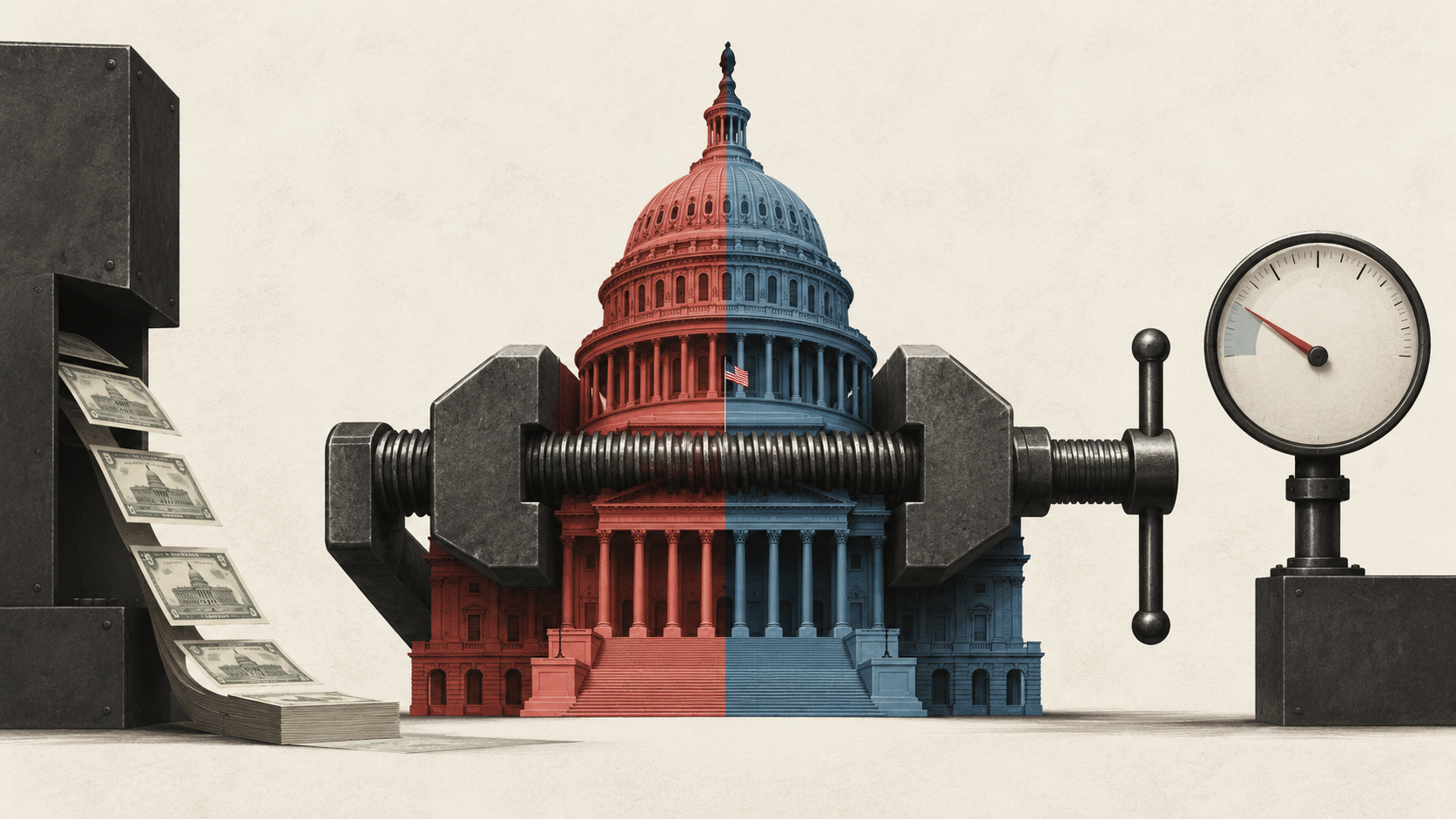
Bottom line: The US economy feels like a poorly written sequel – unoriginal, riddled with unnecessary drama, and headed toward an ending no one wants. The Fed is caught between a rock (inflation) and a hard place (slowing growth), and investors are reacting like people who just realized they booked a non-refundable vacation to a destination that’s suddenly under hurricane warning. If you were hoping for clarity, you’re out of luck—this market is dealing in plot twists and unpredictable resolutions.
Rates Rundown: Yields Swing as Economic Data Whipsaws Markets
Looking for current market rates and historical interest rate data? Check out our Interest Rate Dashboard.
Rates Rundown: Yields Trade Near Lower End of Range Amid Growing Uncertainty
Rate Movements Last Week:
- 2-Year Treasury Yield: ↓ 8bps to 4.22%
- 10-Year Treasury Yield: ↓ 10bps to 4.45%
- 1-month CME Term SOFR: Mostly unchanged at 4.32%
- 2-year versus 10-year Treasury Yield Curve: Flattened by 5bps
The 2-year Treasury yield ticked lower as the market reassessed rate-cut expectations, reacting to worse-than-expected data and rising long-term inflation fears. The 10-year yield fell sharply – continuing its falling trend – following disappointing Purchasing Managers Index (PMI) data – an indicator of the prevailing direction of economic trends in the service sector – and from an uptick in long-term inflation expectations.
Taken together, the data signaled growing risks of a slowing economy, causing traders to increasingly question the timing and degree of Fed rate cuts this year.
Intermediate Analysis: The Economic Pulse
- Inflation Fears Surge Amid Consumer Anxiety
- The University of Michigan’s consumer sentiment index fell to 64.7, 10% lower than last month and its second monthly decline, reflecting mounting concerns over rising prices.
- Year-ahead inflation expectations held steady at 4.3%, while long-run expectations jumped to 3.5%, the highest since 1995.
- Buying conditions for durable goods plunged 19%, as consumers brace for higher prices due to looming tariffs.
Takeaway: The Fed will need to see significant cooling in inflation expectations before pivoting to rate cuts. The longer inflation fears persist, the higher the likelihood that cuts get delayed.
- Rate Volatility Rises, But is Still Near 2-year Lows
- Recent market dynamics have boosted rate volatility, as bond traders are mostly sitting on their hands
- With uncertainty over tariffs and Fed policy, traders are reluctant to take big directional bets.
- The ICE BofA MOVE Index, a key measure of rate volatility, still sits near a two-year low but is rising, leading to slightly higher costs for interest rate caps.
Takeaway: A period of calm could precede a sharp repricing of rate expectations if inflation continues to surprise to the upside or economic data turns decisively negative.
- Weak Economic Data Puts Fed Cuts Back on the Table
- Housing starts fell 9.8% in January, with winter weather playing a role, but a slowing trend remains.
- Jobless claims rose, and continuing claims hit 1.87 million, suggesting some labor market softening.
Takeaway: Markets are hyper-focused on more signals of a weakening economy, putting economic data releases front and center for the coming week. If this economic softness continues, the Fed may be forced to act sooner rather than later despite sticky inflation.
What to Watch: Data & Fed Speak Will Set the Narrative
Monday, Feb. 26: Dallas Fed Manufacturing Index – A key pulse check on regional business conditions. We expect that the strong demand seen in January continued in February, helping to maintain the delay in rate cuts.
Wednesday, Feb. 28: Q4 GDP (Second Estimate) – Look for any downward revisions that might alter the Fed’s outlook.
Friday, March 1: Core PCE Inflation – The Fed’s preferred inflation gauge. A hot print could push rate-cut bets further into the future. We expect that the gauge ticked slightly higher, delaying rate cuts, as the Fed remains wary of its slowing progress in smothering inflation.
Wildcards:
- Any new tariff announcements from the White House.
- Fed speakers weighing in on the policy path ahead.
Our Longer-Term Outlook: Where Rates Are Headed Next and Why
- The Fed Is Likely on Hold Until At Least June
Rate-cut bets remain subdued. Markets now price in just one 0.25% cut in 2025, with growing skepticism about even that. If inflation remains elevated, the Fed could remain on hold through Q3.
- 2-Year Yield Likely to Stay Range-Bound
Technical resistance has kept the 2-year yield from breaking out, suggesting a continuation of a tight trading range ahead. If inflation expectations continue to rise, expect upside pressure.
- 10-Year Yield Faces Downside Risks
With weakening economic data, the 10-year yield could trend lower toward 4.25% if markets become convinced that an economic slowdown is around the corner. For now, we still expect the 10-year yield to maintain its 4.25% to 4.75% trading range.
The Bottom Line: Stay Defensive on Rate Risk
The rate outlook remains murky. Inflation isn’t fading fast enough, and while weak retail sales sparked a retreat in Treasury yields, the Fed remains cautious.
Key Strategies Smart Borrowers are Executing Now:
- Prepare for a long Fed pause – The market is still adjusting to the reality that cuts won’t come quickly, while the 10-year Treasury yield looks to be stuck on a range for a while. Pricing future deals with this in mind is critical.
- Reconsider interest rate caps – SOFR and rate volatility remain elevated, increasing the cost of rate caps. Locking in costs now for that upcoming rate cap extension or replacement could be wise.
- Consider interest rate Corridors – Are you staring down the barrel of having to replace a rate cap with an expensive, in-the-money strike? An interest rate corridor can be a way to take some of the sting off that high cost. Curious? Reach out to us to find out if a Corridor would work for your specific situation.
- Consider forward-starting swaps – The SOFR forward curve is still inverted – barely – and forward-starting interest rate swaps may allow some borrowers to lock in a lower fixed rate in some situations.
Until next time—stay smart, stay hedged.
The content of this newsletter is for informational purposes only and should not be considered investment advice—or a sign that we have a crystal ball. We’re here to share insights and strategies, but it’s up to you to decide whether they align with your portfolio, risk tolerance, or even your mood today. Take the time to think things through before making any major financial decisions. And remember, past performance is like last year’s vacation photos—interesting to review but not a guarantee of what’s to come!